
Date: 19 Apr 2026
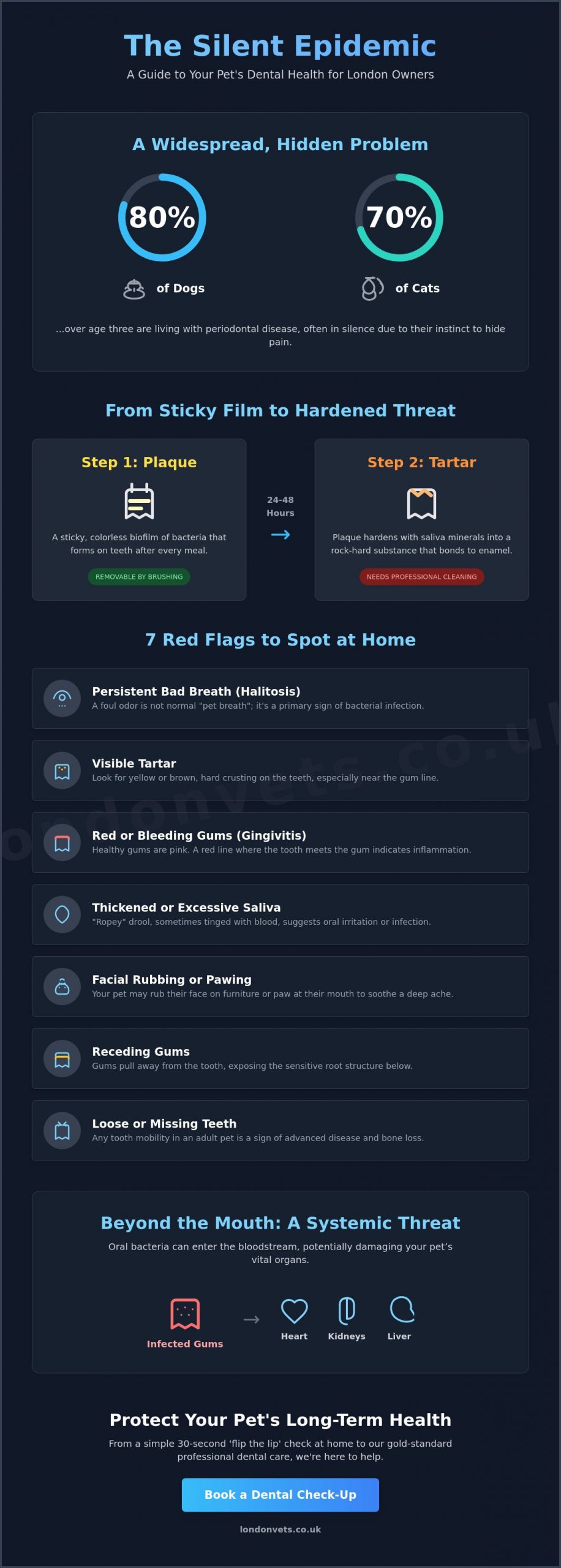
Did you know that 80% of dogs and 70% of cats over the age of three are currently living with some form of periodontal issue? For many London owners, the signs of pet dental disease remain invisible because our companions are biologically programmed to mask their discomfort until it becomes unbearable. We understand the deep worry that comes with the thought of your pet suffering in silence, or the confusion you might feel regarding whether a routine cleaning truly requires a general anaesthetic. In a city where the cost of living makes every financial decision significant, you deserve a local, independent partner who offers transparent, compassionate guidance.
We’ll show you exactly how to spot the subtle red flags of dental distress and explain why our expert care prioritizes your pet’s comfort and long-term health. You’ll find a practical checklist of symptoms to check at home and learn how oral bacteria can lead to serious organ failure if left untreated. This guide provides a clear, supportive path to keeping your family member happy and pain-free.
Key Takeaways
- Understand why pets instinctively mask their discomfort and how to identify the subtle, early signs of pet dental disease before they lead to chronic pain.
- Learn to spot the physical red flags of periodontal infection, from persistent bad breath to the specific discolouration that signals a need for professional attention.
- Discover the critical link between oral bacteria and systemic health, and how untreated gum disease can potentially impact your pet’s vital organs.
- Establish a proactive home-care routine with our simple 30-second “flip the lip” check and expert tips on using enzymatic toothpastes effectively.
- Find out how our independent South London practice provides gold-standard dental diagnostics and compassionate care to protect your pet’s long-term wellbeing.
Understanding Pet Dental Disease: The Silent Epidemic in London Homes
Periodontal disease stands as the single most frequent health condition we encounter in our independent practice today. Statistics from the Royal Veterinary College suggest that around 80% of dogs and 70% of cats develop some form of oral pathology by the age of three. Despite its prevalence, it remains a silent epidemic because our companions are hardwired to hide their discomfort. In the wild, showing signs of oral pain or weakness would make an animal vulnerable to predators. This evolutionary survival instinct means your pet will continue to eat and play even while suffering from significant signs of pet dental disease.
Living in an urban environment like London introduces unique challenges for our pets’ oral health. High-calorie diets, frequent soft treats from boutique city pet shops, and the fast pace of London life can contribute to a faster buildup of bacteria. We view our pets as integral family members, yet their dental care often falls behind their vaccinations or parasite prevention. Understanding the Veterinary dentistry overview helps us recognize that professional intervention is a necessity, not an optional luxury, for maintaining their long term wellbeing.
The Science of Plaque vs. Tartar
Dental issues begin with plaque, a colorless, sticky biofilm of bacteria that coats the teeth after every meal. If you don’t remove this film through regular brushing, it reacts with minerals in the pet’s saliva. This process causes plaque to harden into tartar, also known as calculus, within just 24 to 48 hours. While plaque is soft enough to be brushed away at home, tartar is a rock-hard substance that bonds to the enamel and creeps under the gingival margin. At this stage, the bacteria begin to attack the bone and supporting structures of the tooth. Once tartar has formed, even the most vigorous home brushing cannot remove it; only a professional veterinary scale and polish under general anesthesia can restore the tooth surface.
Why “Pet Breath” is Never Actually Normal
Many owners mistakenly believe that foul breath is a natural part of a pet’s aging process. We want to reassure you that healthy pets should not have an offensive odor coming from their mouths. While a slight scent of their food is expected, a pungent, rotten, or even sickly sweet smell is a red flag for active infection. These odors are produced by metabolic byproducts of anaerobic bacteria thriving in the gums. Halitosis is a clinical symptom of bacterial overgrowth that requires a thorough veterinary assessment to prevent systemic health issues. Identifying these early signs of pet dental disease allows us to intervene before the infection spreads to the heart, kidneys, or liver.
7 Red Flags: Spotting the Subtle Signs of Pet Dental Disease
Pets are remarkably stoic. They’ve evolved to hide discomfort to avoid appearing vulnerable, which means they don’t always cry out when they’re hurting. This instinct makes identifying the signs of pet dental disease a challenge for even the most attentive London owners. We often see pets brought into our independent clinic for “slowing down,” only to discover that a hidden oral infection was the true culprit. Recognising these seven red flags can help you intervene before a minor issue becomes a surgical emergency.
- Persistent Halitosis: While “dog breath” is a common joke, a foul odour that lingers after eating or drinking isn’t normal. It’s often the first sign of a bacterial infection.
- Visible Tartar: Look for yellow or brown crusting near the gum line. This isn’t just a cosmetic issue; it’s a hard deposit of bacteria that irritates the soft tissue.
- Gingivitis: Healthy gums should be a vibrant, consistent pink. If you notice a red line where the tooth meets the gum, or bleeding during play, inflammation is present.
- Thickened Saliva: Excessive drooling, especially if the consistency seems “ropey” or contains tinges of pink blood, suggests the mouth is trying to flush out an irritant.
- Facial Rubbing: If your dog is constantly pawing at their muzzle or rubbing their face against London park benches and home furniture, they’re likely trying to soothe a deep, throbbing ache.
- Receding Gums: As disease progresses, the gums pull away, exposing the sensitive root of the tooth.
- Loose Teeth: Any movement in the teeth of an adult pet is a sign of advanced periodontal damage.
According to AVMA pet dental care advice, regular home checks are the best way to catch these symptoms before they lead to systemic health problems like heart or kidney disease. If you’ve noticed any of these changes, our team can provide a comprehensive dental assessment to restore your pet’s comfort.
The “Eating Through Pain” Paradox
We frequently hear owners say their pet can’t be in pain because they’re still eating. This is a dangerous misconception. Survival instinct drives pets to consume food even with broken teeth or painful abscesses. You might notice subtle chewing changes instead. They may drop kibble, chew exclusively on one side, or suddenly avoid the hard treats they once loved. Don’t dismiss this as being a “fussy eater.” In a study of clinical cases, nearly 80% of dogs over the age of three show some form of dental disease, yet very few stop eating entirely until the pain becomes unbearable.
Behavioural Shifts Owners Often Miss
Chronic oral pain often manifests as a change in personality. Your pet might become irritable or snap when you touch their head. Many owners assume their companion is just “getting old” because they’re sleeping more or withdrawing from social interaction. In reality, fighting a constant infection is exhausting. We believe in a gold standard of care that prioritises quality of life. Following a structured preventative healthcare programme allows us to monitor these signs of pet dental disease and intervene early, ensuring your pet remains the happy, active family member you know.
Beyond the Mouth: How Poor Oral Health Impacts Vital Organs
When we identify the signs of pet dental disease during a routine check, we’re looking at more than just yellow teeth or a bit of tartar. Periodontal disease creates a direct highway for bacteria to travel from the mouth into the systemic circulation. This process, known as bacteremia, occurs when inflamed, bleeding gums allow oral pathogens to breach the natural barriers of the mouth. Once these bacteria enter the bloodstream, they can colonize distant organs, causing chronic inflammation and irreversible damage. Research in veterinary medicine indicates that pets with chronic dental issues may face a life expectancy shortened by up to 24 months compared to those with healthy mouths. This is why our team considers a thorough dental evaluation a critical component of any veterinary surgery pre-operative assessment, ensuring your pet’s internal health is stable before any procedure.
Heart and Kidney Complications
The heart and kidneys are particularly vulnerable to the fallout of poor oral hygiene. Bacteria circulating from the mouth can attach to the delicate valves of the heart, leading to endocarditis. This condition compromises cardiac function and can lead to congestive heart failure if left unmanaged. Similarly, the kidneys and liver act as the body’s primary filters, often trapping these bacteria and developing chronic micro-lesions over time. These small areas of damage accumulate, eventually leading to organ dysfunction in older animals. We often remind our clients that a clean mouth is a gateway to a healthy heart for senior London pets, especially as their immune systems become less resilient with age.
The Risk of Tooth Root Abscesses
When infection penetrates deep into the tooth socket, it can form a painful abscess at the root. You might notice a sudden, firm swelling just below your dog’s eye or along the cat’s jawline. These infections don’t just cause soft tissue swelling; they can lead to osteomyelitis, which is the painful destruction of the jawbone itself. The level of discomfort associated with bone loss is intense and often hidden by pets until it becomes unbearable. These cases represent a significant portion of the emergency interventions we perform at our South London facilities. Recognizing the early signs of pet dental disease can prevent these acute crises, protecting your pet from unnecessary suffering and complex surgical repairs. We focus on early intervention to ensure your companion remains comfortable and happy.
From Home Checks to Professional Cleaning: A London Action Plan
Managing your pet’s oral health doesn’t have to be a daunting task. It relies on a blend of consistent home care and expert intervention. We recommend a structured approach to ensure your cat or dog stays pain-free. Start with a weekly 30-second “flip the lip” check. By lifting the lips to inspect the molars and gumline, you can spot the early signs of pet dental disease, such as mild redness or thin lines of yellow tartar, before they escalate into infections. Following this, introduce a daily brushing routine using a pet-safe enzymatic paste. These pastes contain enzymes that break down plaque chemically, which is helpful if your pet only tolerates a brief session.
A comprehensive action plan for your pet includes these five essential steps:
- Weekly Home Inspections: Check for bleeding, swelling, or unusual breath odours.
- Daily Brushing: Use soft bristles and flavoured enzymatic paste to disrupt biofilm.
- Approved Dietary Aids: Incorporate dental-specific kibble or chews that carry the Veterinary Oral Health Council (VOHC) seal of approval.
- Professional Assessments: Visit an independent London surgery for a thorough clinical exam.
- Clinical Deep Cleans: Schedule a scale and polish under general anaesthetic to remove tartar that a toothbrush cannot reach.
Why Professional Cleaning Requires Anaesthesia
Pet owners often ask if a “conscious clean” is an option. While well-intentioned, cleaning a pet’s teeth while they’re awake is ineffective and often causes unnecessary stress. Research from the British Veterinary Dental Association confirms that roughly 60% of dental pathology is located beneath the gumline. We can only access these hidden pockets safely while your pet is under general anaesthetic. Our independent practice uses modern monitoring equipment to track heart rate, oxygen levels, and blood pressure, ensuring the highest safety standards. This controlled environment allows us to perform a deep clean without your pet feeling any anxiety or discomfort.
Dental Hygiene for the Busy London Lifestyle
We understand that London life is fast-paced. If you commute, try making tooth brushing part of your evening wind-down routine rather than a morning rush. For those who spend weekends in Brockwell Park or Battersea Park, choosing the right dental toys is vital. Avoid stones or hard plastic toys that can fracture teeth; instead, opt for flexible rubber toys designed to massage the gums. To help manage the costs of preventative care, our pet health plan spreads the cost of essential treatments, making regular hygiene more accessible for local families. Identifying the signs of pet dental disease early through our plan can save your pet from the trauma of emergency extractions later.
If you’ve noticed a change in your pet’s eating habits or breath, it’s time for a professional opinion. Contact our team to book a dental assessment and ensure your pet’s mouth stays healthy and comfortable.
Expert Pet Dentistry at London Veterinary Surgeries
We’re a multi-award winning, independent veterinary group deeply rooted in the South London community. Our independent, vet-owned status is a point of pride because it allows us to offer a level of personalised, non-corporate care that larger chains often struggle to match. We don’t answer to shareholders; we answer to you and your pet. This autonomy means our clinical decisions are always guided by the “gold standard” of veterinary medicine. We’ve built a reputation for providing a safe haven where clinical expertise meets a warm, welcoming atmosphere. Our team is dedicated to being your local guardian for all things animal health.
Our team understands that pet owners often feel anxious about dental procedures. We provide transparent advice to help you understand every step of the process, from the initial examination to post-operative recovery. We’re here to offer compassionate treatment that prioritises your pet’s comfort and long-term wellbeing. By focusing on the specific signs of pet dental disease, we help London families catch issues before they escalate into chronic pain. Our goal is to ensure your pet remains a happy, healthy member of your family for as long as possible. We treat every patient with the same urgency and respect we would our own pets.
Our Advanced Dental Facilities
To provide the highest level of care, our surgeries utilise digital dental X-rays. This technology is a game-changer because it reveals what lies beneath the gumline, uncovering 50% more disease than a visual inspection alone. Many painful conditions, such as root abscesses or resorptive lesions, are invisible without this imaging. Our vets possess the surgical expertise required for both routine extractions and complex oral procedures. Additionally, our nurse-led clinics provide hygiene support and education to help you master at-home brushing techniques.
The VIP Health Plan Advantage
Managing the costs of high-quality care shouldn’t be a barrier to your pet’s comfort. Our VIP Health Plan allows you to spread the cost of preventative treatments into manageable monthly payments. These plans include comprehensive dental check-ups and exclusive discounts on professional scale and polish treatments. This proactive approach ensures that the signs of pet dental disease are monitored by professionals year-round, preventing silent suffering. You can book a dental assessment at one of our London surgeries today to secure your pet’s oral health.
Give Your Pet the Gift of a Pain-Free Smile
Your pet’s oral health shouldn’t be a mystery. Recognizing the subtle signs of pet dental disease is the first step in preventing chronic pain and protecting vital organs like the heart and kidneys. While bad breath might seem like a minor nuisance, it’s often the first indicator of a deeper issue that requires professional intervention. We believe every animal deserves a life free from the discomfort of tooth decay and gum inflammation.
As a multi-award winning independent practice, London Veterinary Surgeries has earned the trust of over 20,000 London pet owners. We provide a gold standard of care that combines advanced diagnostics with a gentle, compassionate approach. Our team is here for you around the clock, offering 24-hour emergency care so you’re never left without support. Don’t wait for a small problem to become a surgical necessity. Take a proactive step for your companion’s wellbeing today.
Book a Dental Check-Up at London Veterinary Surgeries to ensure your pet stays happy, healthy, and vocal for years to come.
Frequently Asked Questions
Is bad breath in dogs and cats always a sign of dental disease?
Persistent bad breath is almost always a clinical indicator of oral bacteria or decay. While owners often assume “dog breath” is normal, 80% of dogs and 70% of cats develop periodontal disease by age three. If the smell is pungent, it’s likely that bacteria are already damaging the gums. Our team provides gentle assessments to identify the source of the odour and restore your pet’s fresh breath.
How often should I have my pet’s teeth professionally cleaned in London?
We recommend a professional dental check and cleaning every 6 to 12 months for most adult pets. Smaller breeds, such as Yorkshire Terriers or Chihuahuas, often need more frequent care because their teeth are crowded. Regular visits allow us to catch issues before they require complex surgery. This proactive approach ensures your pet stays comfortable and avoids the need for emergency extractions.
Can I use human toothpaste to brush my dog or cat’s teeth?
You must never use human toothpaste because it contains ingredients like xylitol and fluoride that are poisonous to animals. Xylitol can cause a life-threatening drop in blood sugar or liver failure in dogs. Instead, use a pet-specific enzymatic toothpaste. These come in flavours like poultry or beef, which makes the brushing experience much more enjoyable for your companion.
What happens if I ignore the signs of pet dental disease?
Ignoring the signs of pet dental disease allows oral bacteria to enter the bloodstream, potentially damaging the heart, kidneys, and liver. Chronic oral pain also impacts a pet’s quality of life, leading to decreased appetite and lethargy. Studies show that pets with treated dental issues can live up to 20% longer than those with untreated chronic infections. We view dental care as essential preventative medicine.
Will my pet be able to eat after having teeth extracted?
Pets usually eat much more comfortably after we remove a source of chronic pain. You’ll need to provide soft food for about 10 to 14 days while the extraction sites heal. Most cats and dogs adapt quickly; many even return to eating dry kibble once their gums have toughened. Our goal is to move your pet from a state of silent suffering to pain-free eating.
How much does a pet dental cleaning cost at a London vet?
A routine scale and polish at a London veterinary practice typically costs between £250 and £600 depending on the clinic’s facilities. This fee usually covers the general anaesthesia, monitoring, and the cleaning itself. If your pet requires extractions or X-rays, the total will increase. We always provide a clear, itemised estimate after our initial assessment so there aren’t any surprises.
Is my senior pet too old for a dental procedure under anaesthesia?
Senior pets aren’t automatically too old for dental work; we focus on their individual health status rather than their age. We perform pre-operative blood tests on 100% of our older patients to ensure their organs can process the anaesthetic. Our independent practice uses advanced monitoring equipment to keep every patient safe. Relieving dental pain often gives senior pets a renewed, “puppy-like” energy.
Can dental treats replace tooth brushing for my pet?
Dental treats can’t replace daily brushing, as they only reduce plaque by roughly 15% to 25%. While these chews help mechanically scrape some surfaces, they often miss the gum line where the signs of pet dental disease begin. Brushing remains the gold standard for oral hygiene. We recommend using treats as a supplement to a consistent tooth-brushing routine for the best results.



© London Veterinary Surgeries